Platform Capabilities
Six capabilities. One focused problem.
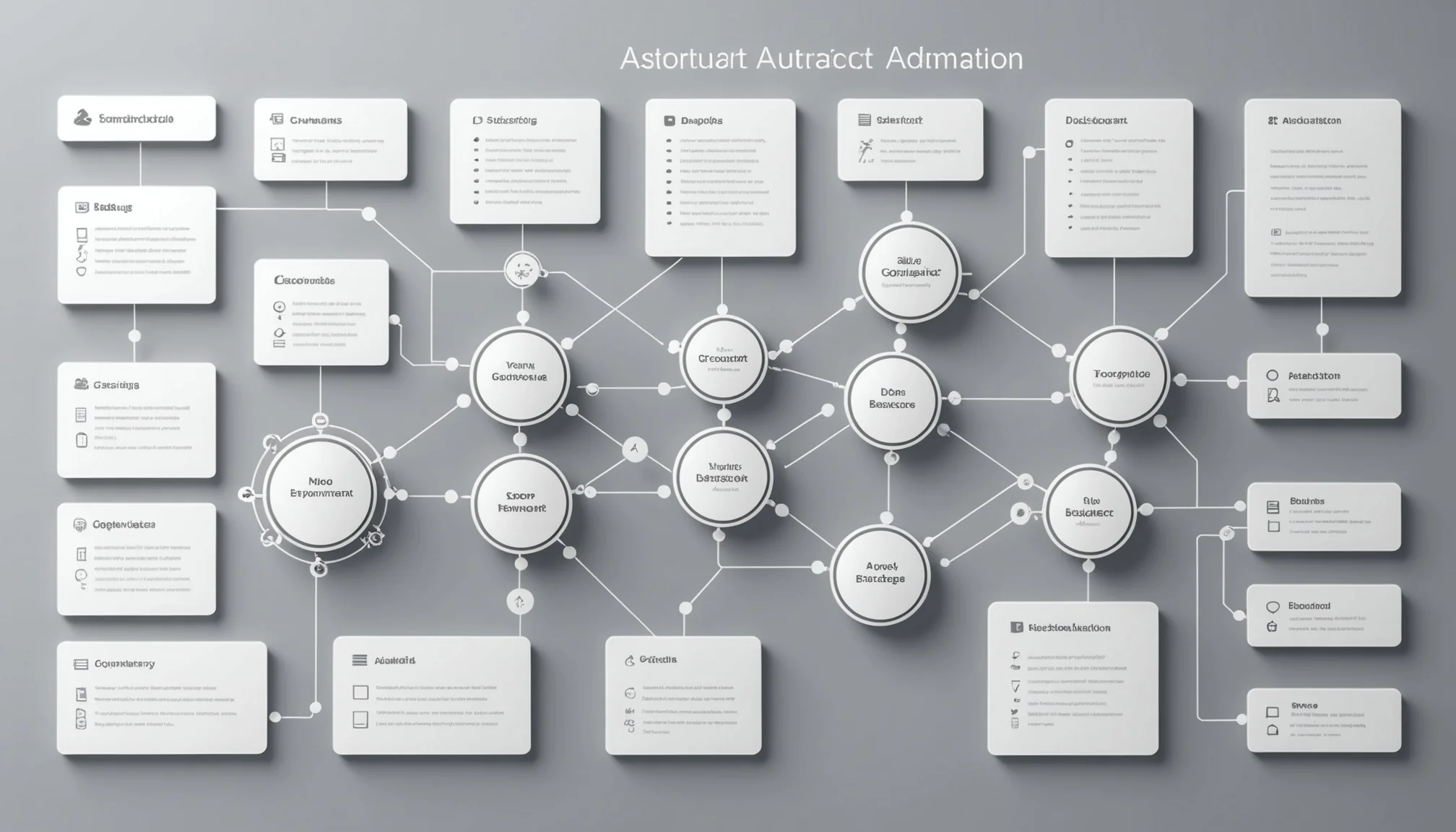
Loadwyre sits between your shipper tender and your carrier confirmation — scoring, ranking, and optionally booking the right carrier before manual effort touches the load.

01 / 06
Score every carrier by on-time history on this specific lane before tendering
Lane-Level Carrier Scoring
Loadwyre builds a per-lane, per-carrier performance model updated nightly. Each time a load is tendered, the engine pulls the last 90 days of OTD, fallout rate, and average check-call responsiveness for that carrier on that origin-destination pair. Brokers see a confidence score from 0-100 alongside every candidate carrier, so the first tender goes to a carrier statistically likely to accept and run clean.
02 / 06
Let high-confidence matches book automatically while borderline ones queue for review
Auto-Book Threshold Control
Operators set a confidence threshold per lane type or customer. Loads matching carriers above the threshold book automatically and push confirmation back to the shipper TMS within 4 minutes of tender receipt. Loads below threshold surface in a review queue sorted by urgency and margin sensitivity. Brokers stop touching routine lanes and focus attention where their judgment adds real value.

03 / 06
Flag carriers likely to drop a load 12-24 hours before fallout occurs
Fallout Early-Warning
Using check-call patterns, weather events, and carrier-specific behavioral signals, Loadwyre assigns a live fallout-risk score to each booked load. When risk exceeds a broker-defined threshold, the system surfaces a backup carrier shortlist immediately. Brokers get ahead of the fallout rather than scrambling for re-cover at spot rates the morning of pickup.

04 / 06
Pull posted available capacity in real time without manual load-board search
DAT and Truckstop Capacity Ingestion
Loadwyre maintains a live feed from DAT Freight and Truckstop, continuously refreshing available trucks near each origin. When a tender arrives, posted capacity is merged with the broker's preferred carrier list and scored in the same matching pipeline. Brokers no longer switch between TMS and load boards; relevant capacity surfaces inside the workflow they already use.
05 / 06
See how matching quality translates to per-load margin outcomes over time
Margin Impact Dashboard
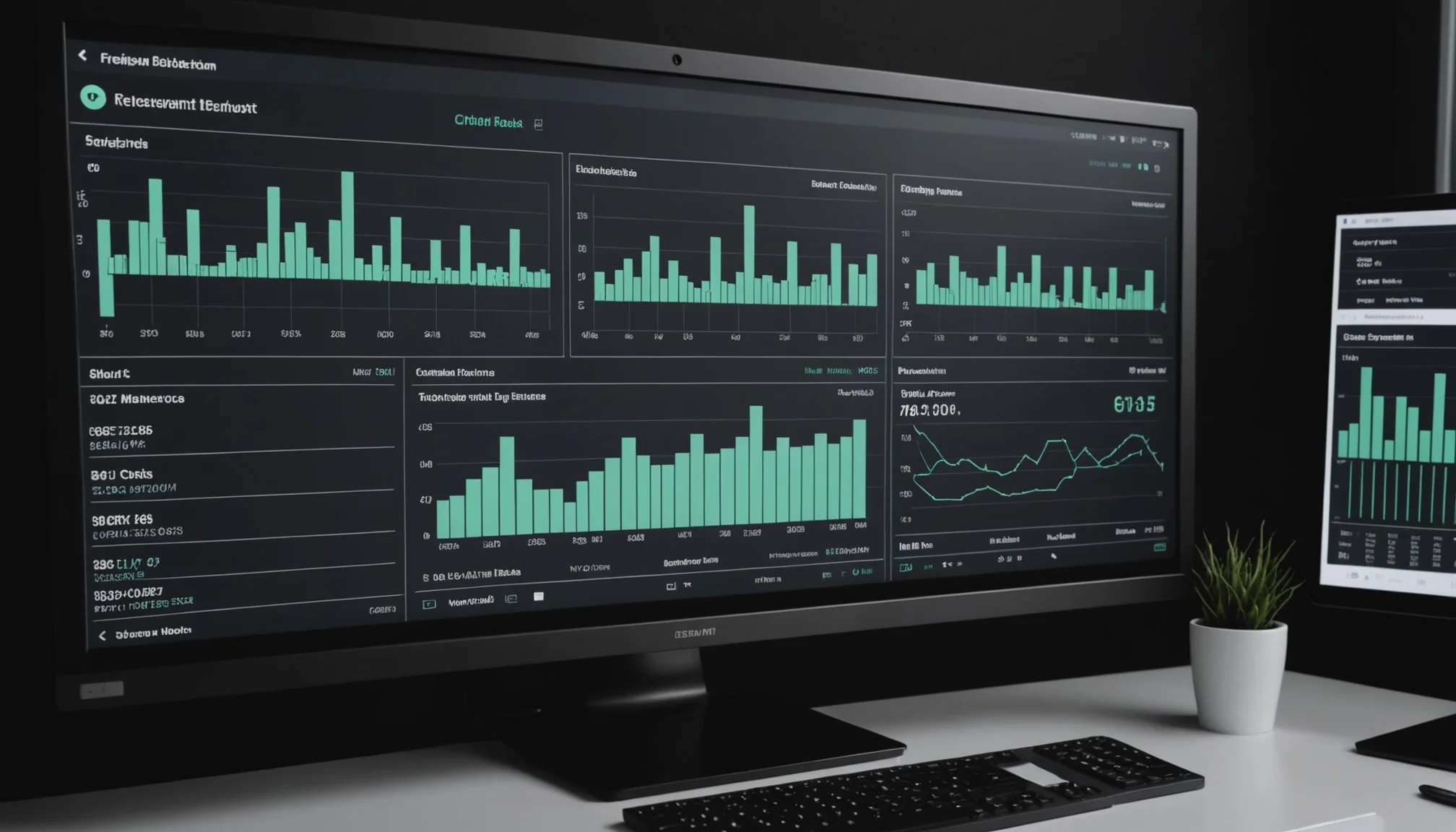
The margin dashboard breaks down each week's load portfolio by first-tender acceptance rate, fallout rate, re-cover cost, and gross margin per lane. Brokers and operations managers can identify which lanes, customers, or carrier segments are dragging margin and take corrective action. Data exports in CSV for integration with existing management-reporting workflows.

06 / 06
Surface Loadwyre recommendations inside Aljex and McLeod without a tab switch
TMS Workflow Integration
Native integrations with Aljex and McLeod LoadMaster embed the carrier shortlist directly in the load-editing screen. Brokers click to tender the top-ranked carrier without leaving their existing workflow. For brokerages on MercuryGate or Trimble TMW, a lightweight browser extension provides the same side-panel experience. No separate login, no copy-paste, no workflow disruption.