Why Manual Load Searching Kills Broker Margin (And What to Do About It)
Freight brokers spend 2–4 hours per dispatcher each day searching load boards and calling carriers. Here is what that time actually costs — and how automation changes the math.
Load matching, capacity markets, broker technology, and carrier relations — written for operations managers and brokerage executives managing real freight volume.
Freight brokers spend 2–4 hours per dispatcher each day searching load boards and calling carriers. Here is what that time actually costs — and how automation changes the math.
Full truckload and less-than-truckload loads have fundamentally different matching dynamics. Automation that works for FTL may not work for LTL — and here is why that matters for your brokerage stack.
Tight spot markets hit mid-market brokerages hardest. Large firms have dedicated carrier networks; small shops move fast. Here is how mid-market operators stay covered when capacity tightens.
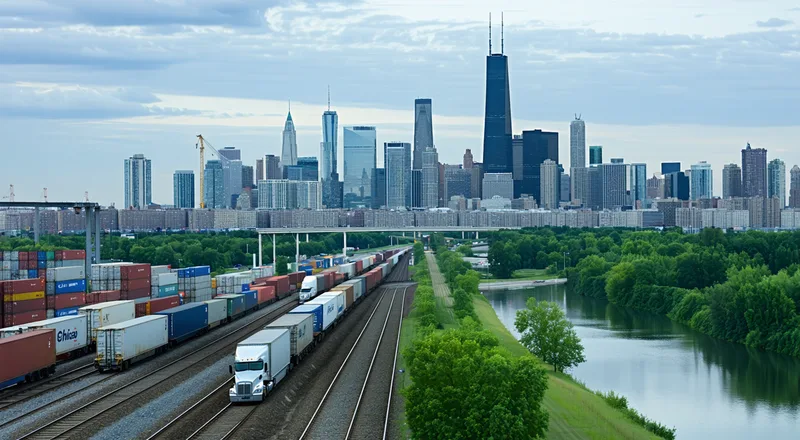
Chicago processes more freight than any other inland point in North America. The intermodal rail network, I-80/I-90 corridor, and concentration of brokerage offices make it the de facto capital of US trucking logistics.
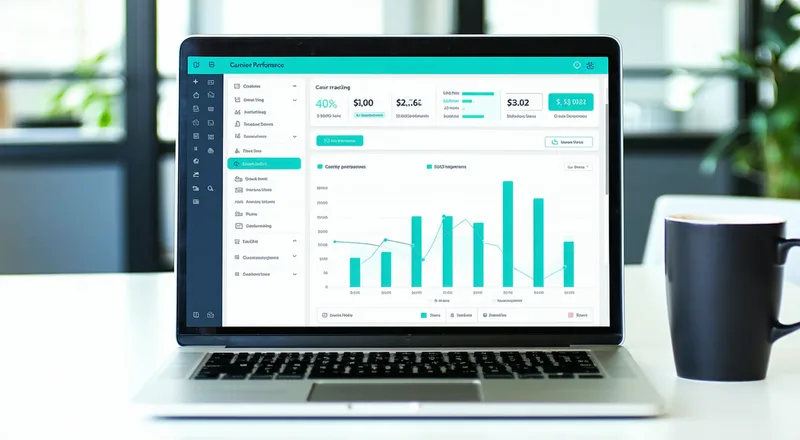
Tender acceptance rate tells you more about a carrier relationship than any other single number. Here is how to track it, what it means for your matching quality, and how to use it to build a stronger preferred carrier base.
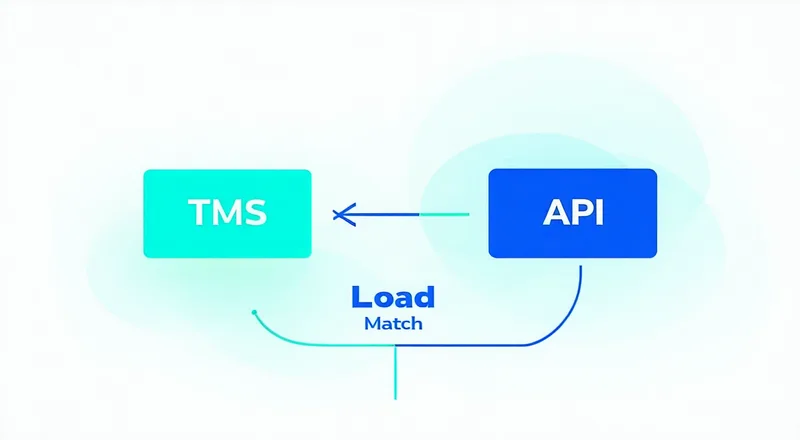
Adding automated load matching to your existing TMS raises real questions about data flow, configuration, and what changes for your dispatchers day-to-day. A practical walkthrough for brokerage IT and operations leads.
Reading about load matching is useful. Seeing it work on your lanes is better. Request a demo to see real match quality for your specific corridors.
Request a Demo